
Liquenia ® Treatment
Clinical Therapy for Vulvar Lichen Sclerosus
Liquenia is in the word of mouth because it works.
It is for you, if you suffer from vulvar lichen and want to recover:
➤ Your quality of life
➤ Your desire to enjoy
➤ Your sexual relations
Let nothing stop you!
Liquenia is in the word of mouth because it works.
It is for you, if you suffer from vulvar lichen and want to recover:
➤ Your quality of life
➤ Your desire to enjoy
➤ Your sexual relations
Let nothing stop you!
What is the Liquenia Treatment?
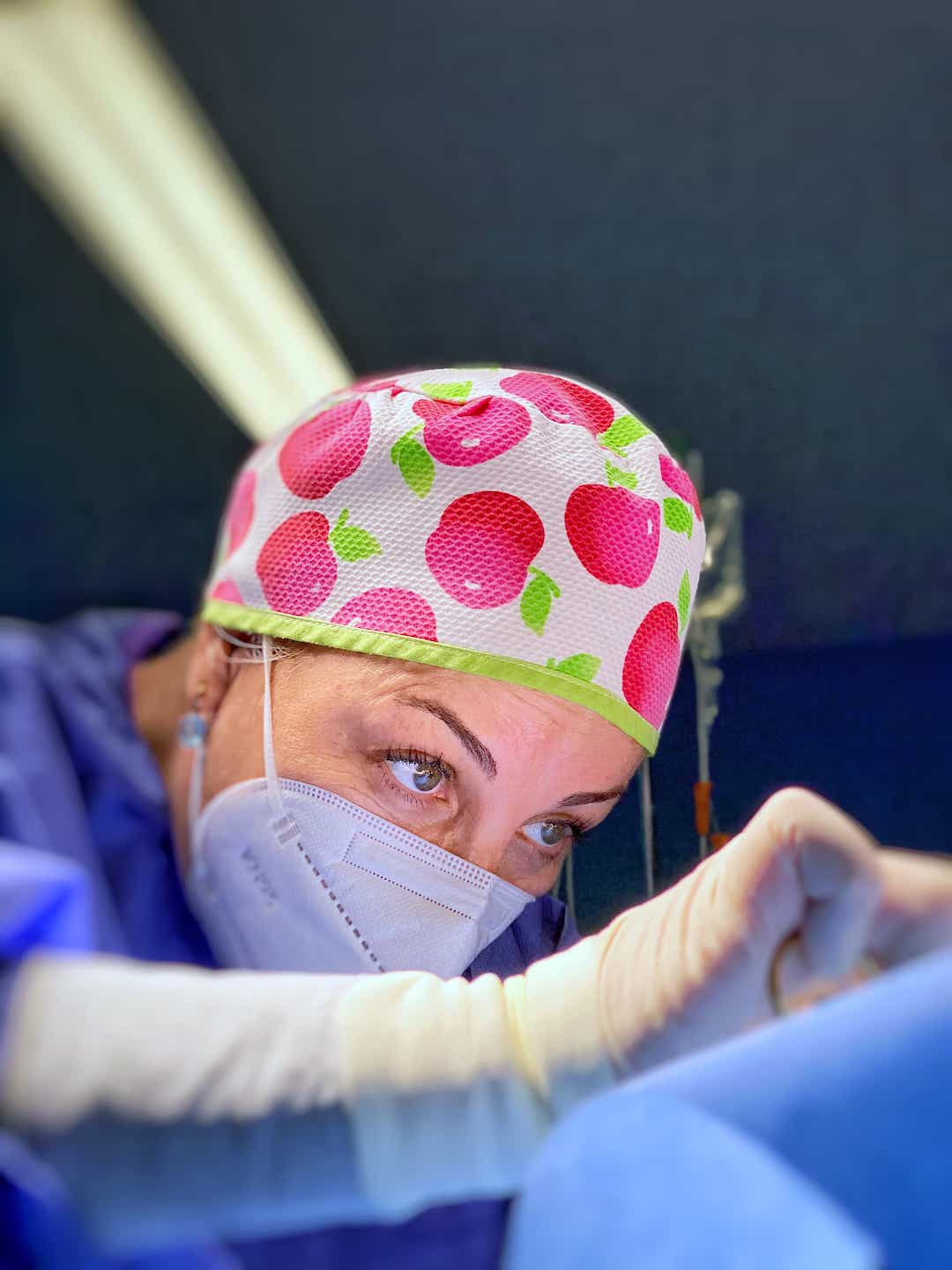
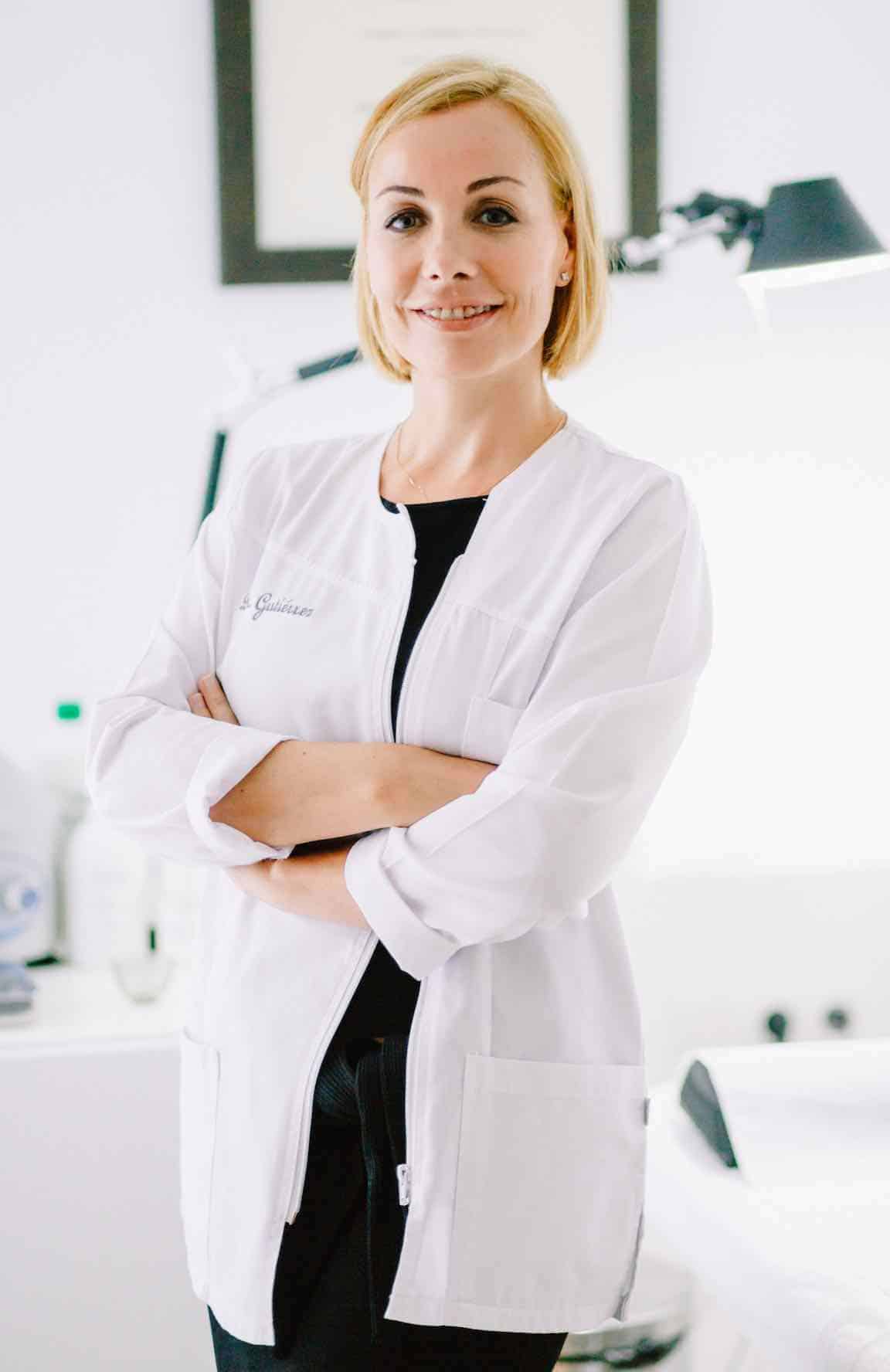
It is the medical protocol created by the Dr. Patricia Gutiérrez Ontalvilla based on the anti-inflammatory and regenerative properties of the patient’s own fat stem cells. from the patient’s own fat.
This adipose tissue is extracted from the inner thighs, abdomen or knees and infiltrated into the affected intimate area, so that it defends itself naturally against cutaneous aggression.
Within a month of receiving the treatment you will notice improvement of the symptoms (such as itching) and recovery of the damaged tissue.
It is especially indicated for vulvar lichen sclerosus or lichen scleroatrophicus, vulvar lichen planus.
It is supported by scientific studies
The Liquenia® Treatment is the result of four years of research with scientifically proven efficacy through clinical trials, which began with the support of of
La Fe University Hospital Research Institute
of Valencia (Spain) and have been followed up by the team of the Dra. Patricia Gutiérrez Ontalvilla through the
Nixarian Foundation
.
Endorsed
Preceded by international studies of specialist surgeons (Dr. Goldstein, Dr. Casabona, Dr. Boero and Dr. Onesti).
Demonstrated
Subjected to an exhaustive control of the improvement of the usual symptomatology to demonstrate its effectiveness in each of the patients.
Insurance
Performed under exhaustive medical control in a hospital operating room and without any adverse outcome.
Effective
Reduction of the cells responsible for inflammation after comparing the initial biopsy and the one performed three months after treatment.
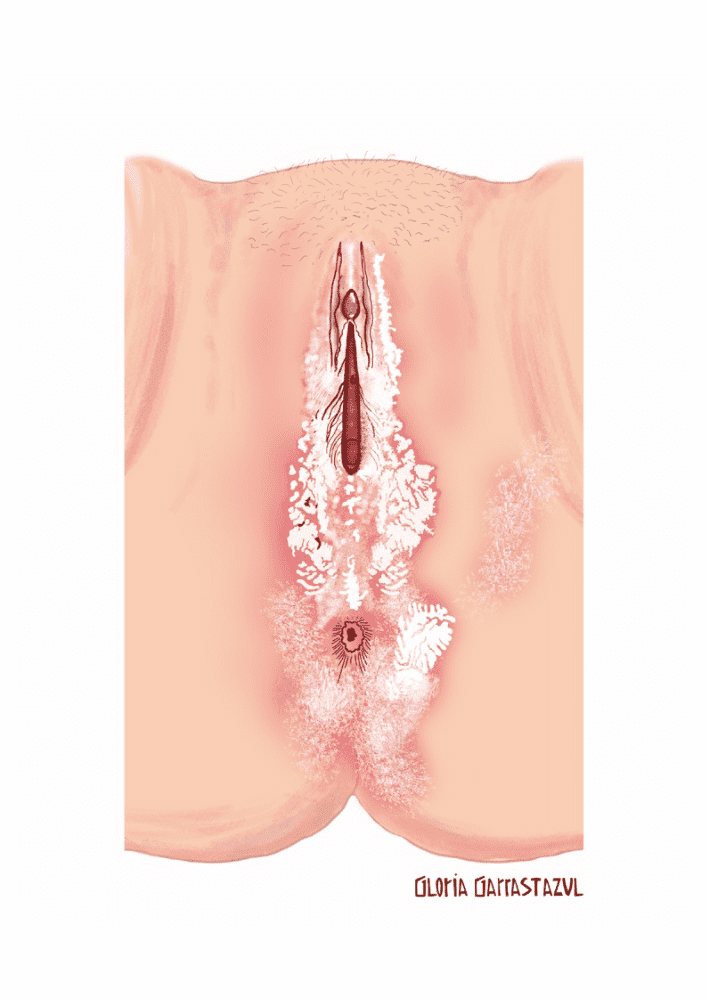
The effectiveness of Liquenia
Formerly
Then
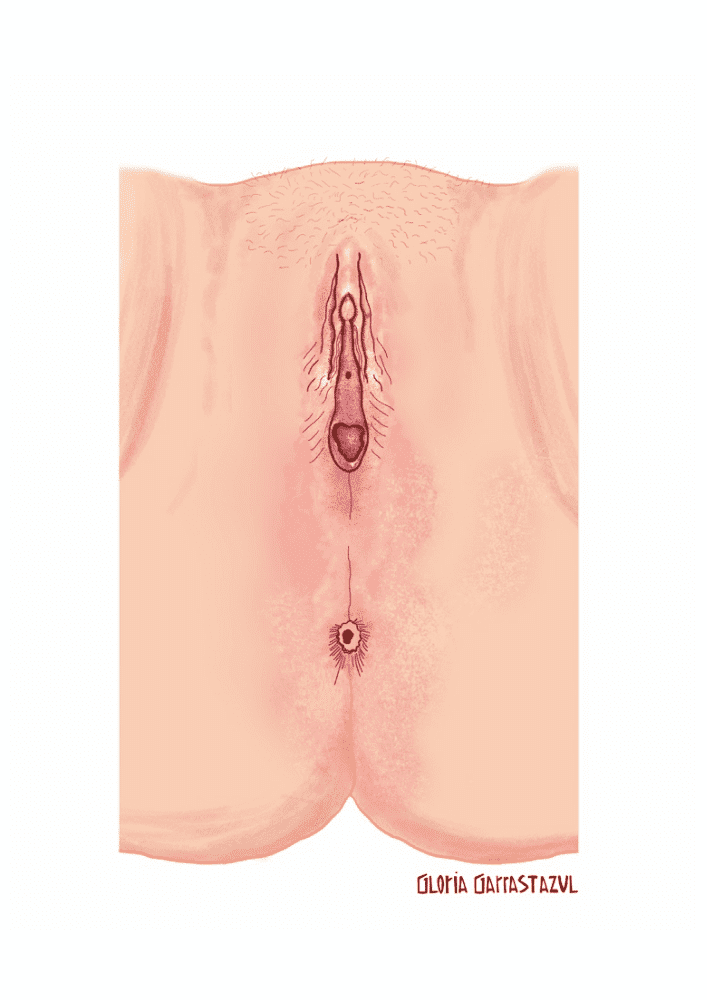
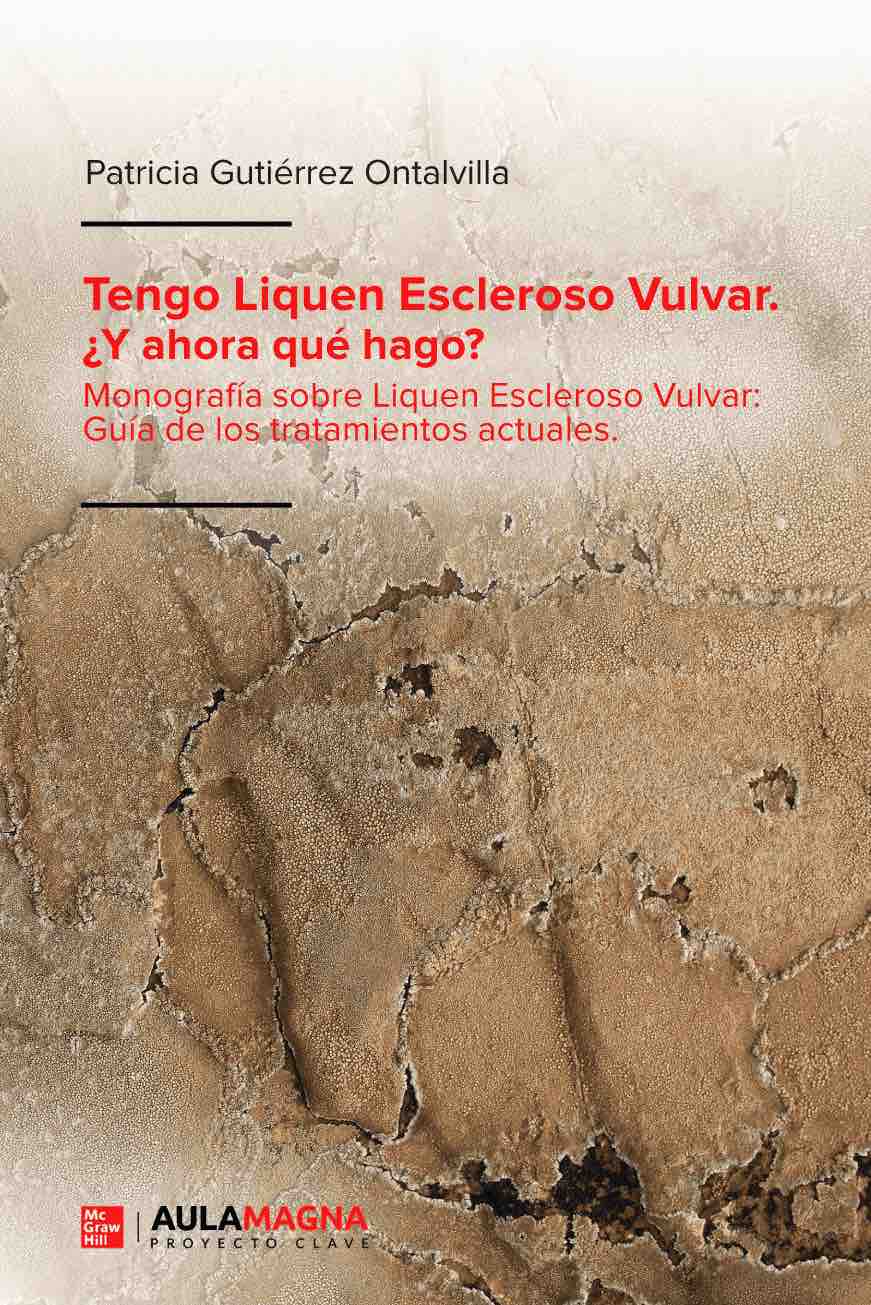
To safeguard the privacy of our patients, we have used these images that faithfully represent the evolution of the vulvar scleroatrophic lichen before and after the application of Liquenia® Treatment.®. They belong to the book “I have Vulvar Lichen Sclerosus, what do I do now?” from the Dr. Patricia Gutiérrez Ontalvilla.
Proven results in patients who have received Liquenia® Treatment
1.
Decrease of burning, itching, pruritus, erosions and fissures…
2.
Increased hydration of the vulvar mucosa and elasticity of the introitus or vaginal opening.
3.
Recovery of sexual life thanks to the reduction of vaginal pain (dyspareunia).
4.
Anti-inflammatory and immunomodulatory effect*.
5.
Less intense or even non-existent outbreaks and absence of contraindications.
*It could decrease the prevalence of vulvar cancer associated with LEV.
Our patients
The Liquenia Treatment has been successfully applied in women with advanced lichen.
Our patients are:
- From 15 to 70 years of age.
- From all over Spain and the rest of the world: USA, Canada, Iceland, Norway, Netherlands, Germany, France, Portugal, etc.
- With a diminished quality of life due to the advanced stage of the disease.
- All of them have tried other treatments without noticing the necessary improvement to recover their daily life.

Carmen tells you about her experience with vulvar lichen
I am a nurse and yet, until it was my turn, I had never heard that this disease existed.
At the age of 50 I started menopause and it got worse. I was very dry and sore, I had a lot of bleeding cracks, an ordeal.
I went to several gynecologists and nobody gave me solutions (…) Later, I entered a program that was supposed to be new with a gynecologist. This treatment was performed with growth factor, but the results were not favorable.
Time went by and everything went from bad to worse.
One day talking to a doctor friend of mine, she told me that they were performing vulvar cosmetic surgery and that I could do some research on the internet and see what I could find. and that I could do some research on the internet and see what I could find.
That was the beginning of the end of my journey.
I found Patricia, a lichen expert, and called her immediately.
I made an appointment the same day and he gave me the solution. I underwent surgery in June 2021. The treatment was with stem cells and Since then, my life has turned not 180º, but 360º.
Patricia explained everything to me with simple, understandable words and with a sweetness that gives you the peace of mind of knowing that you are in the hands of the best, that you have already won a lot because the surgeon’s hands are wonderful. (…)
No more itching, stinging and everything else, now I have recovered my sex life that was nonexistent just a year ago and I am happy.
Thank you very much for everything, I hope that life returns to you all the sweetness and happiness that you emanate. A big kiss and a big hug.
Carmen
Here is a step-by-step guide to follow
This is the process of accompaniment from the moment we meet until we confirm your recovery:
1. Exploration
After
contacting us
and send us your medical reports, we will make an appointment at the clinic to confirm if the evolution of your lichen meets the criteria to receive the Liquenia® treatment.
For this purpose, during this first visit we perform a clinical examination, fill out questionnaires and thoroughly examine your medical history.
If you are eligible for the liquenia treatment, we will explain you in depth and calmly the whole process to clarify your possible doubts and give us your approval.
After this, we will put you on the waiting list to confirm the dates of the preoperative and the operation in the operating room.

2. Preoperative
Once you have decided to take the step of trusting in the regenerative capacity of your stem cells, we make a second visit where:
- We do a complete analysis
- We manage informed consents
- We explain the latest pre and postoperative instructions
- We detail the necessary medication before and after the treatment.
And we solve your doubts, if you have any, we solve it!
3. Intervention
¡
It’s the key day!
Upon your arrival at the hospital, the patient coordinator of our team will be waiting for you to help you with your admission and will accompany you to the operating room, which has all the necessary security and controls.
There we perform a biopsy and apply the Liquenia Treatment ® treatment with great care and a short time after the the intervention, you will return home.
The procedure is performed under general anesthesia to ensure that you have a painless, comfortable and safe experience during the procedure.
The forecast is that you will recover in a short time after the infiltration. Normally, in a couple of hours you will return home to rest.

4. Revisions
The medical team is watching you and your evolution until you are discharged.
During the first 48 hours you have a Medical Assistance telephone number. Any questions you may have will be answered by the nurse who has been in your operation and who has a direct line to the Dr. Patricia Gutiérrez Ontalvilla.
We also do 4 reviews to confirm that you are one more of the success stories we already have.
Usually the schedule is as follows (but it may vary on a case-by-case basis):
- 1st revision: 1 month after surgery. We will explore you and you will fill out some questionnaires.
- 2nd revision: 3 months later.
- 3rd revision: 6 months later.
- 4th check-up: 12 months later we will do a biopsy and you will be discharged!
Delighted with the treatment received from Dra. Patricia and her great team of PROFESSIONALS, all my doubts and fears disappeared from the first consultation, very happy with the care received before and after the operation, I would repeat without hesitation, my result is UNBEATABLE. (Clara)
The decision on one of the moments with more sensations around you between happiness and fear makes it an experience that you would repeat every time with her and no one else.
Thank you for taking such good care of me and at every moment so right. (Patricia)
A marvel!!!! Patricia is wonderful, you can tell she enjoys her work, she is kind, affectionate, friendly, close, exceptional treatment! Her whole team, from the administrative who picks up the phone, the nurse, the companion who helps you with the paperwork at the hospital, the anesthesiologist, the whole team is lovely, without a doubt, I will always call on her. (Almudena)
A great team! From the doctor to the anesthesia team, through the nurses, etc …. I had surgery 1 month ago and my life has totally changed for the better. They give total confidence to talk about things that a priori are considered taboo but you feel so comfortable and transmit so much peace …. Everything is discussed naturally and with affection. (Beatriz)
You may also be interested in
Say goodbye to
chafing of the pants
cracking on the lips
burning and burning
itching and uncontrollable itching
insomnia and discomfort when walking or urinating
absenteeism absenteeism
discouragement and isolation
pain of sexual intercourse

Recover your wellbeing
Suffer no more.
Don’t shut up anymore.
Don’t wait any longer.
We help you.
We understand you.
We offer you our research and our hands.
Is there something you want to do and the lichen prevents you from doing it?
If you have a diagnosis of vulvar lichen sclerosus, scleroatrophic lichen, lichen planus or lichen simplex chronicus, request your evaluation now with Dr. Patricia Gutiérrez Ontalvilla to confirm if the Liquenia treatment is right for you.